
Psychosocial Disability Support Through the NDIS in Victoria
Ararat Wellness provides recovery-focused psychosocial disability NDIS support across regional Victoria. Our experienced team works alongside you to build daily living skills, grow your confidence, and connect you with your community at a pace that suits you.
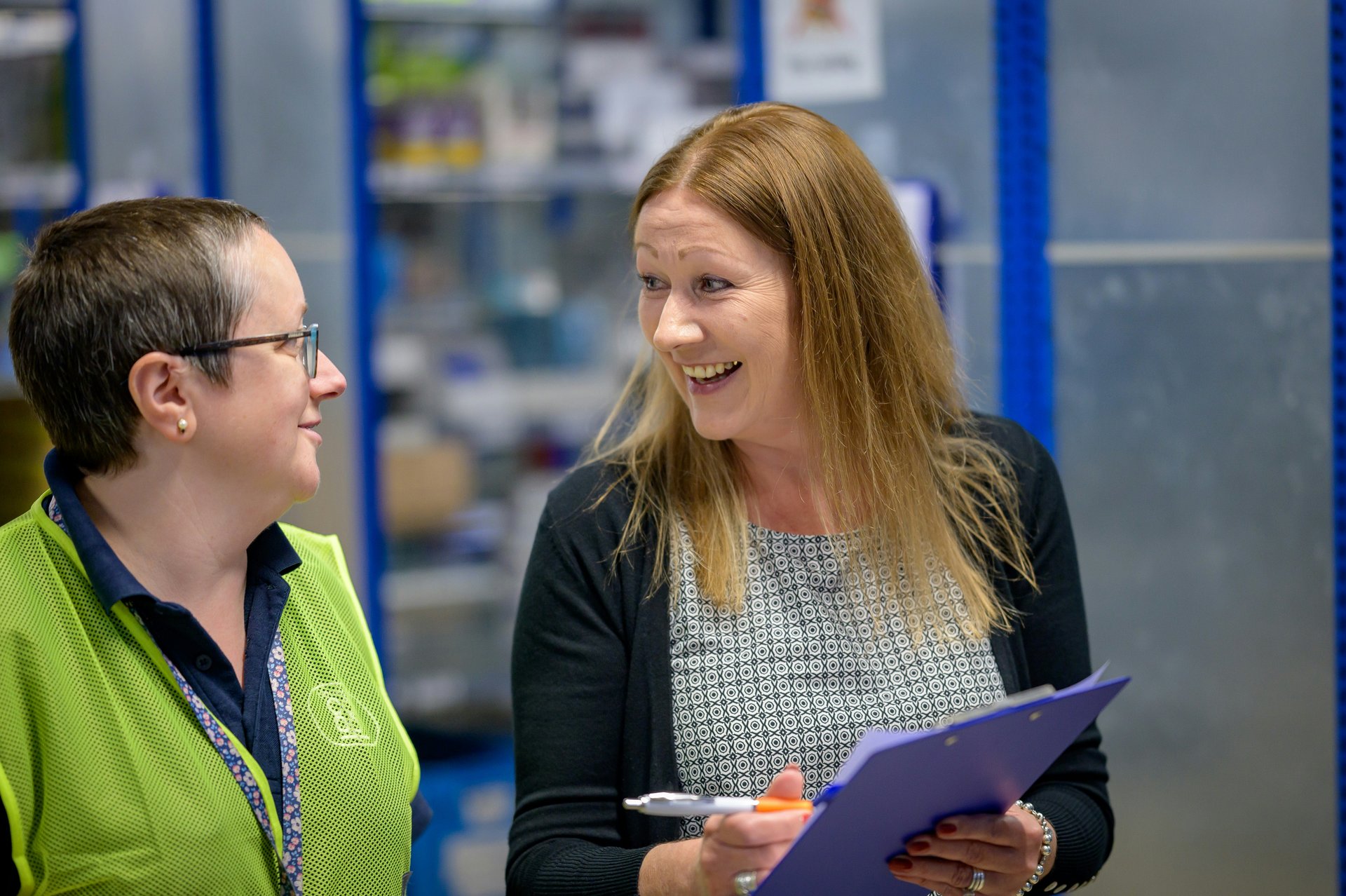
Living with a mental health condition can affect everyday life in many ways. At Ararat Wellness, we offer person-first psychosocial support that keeps your goals at the centre. We are a registered NDIS provider serving Ararat, Ballarat, Stawell and Horsham. Our qualified practitioners walk with you as you set goals, build skills and take part in the life you choose, with a warm and respectful manner so you always feel heard.
Give us a call
Psychosocial Disability and the NDIS
As a registered NDIS provider, Ararat Wellness delivers recovery-focused psychosocial disability NDIS support across regional Victoria. We know each person has their own goals, strengths and pace, so we listen and learn before we suggest any support.
Our psychosocial disability NDIS support includes:
• Building daily living skills for home, cooking, budgeting and personal care
• Community connection and participation that grows social confidence
• Help to understand and use your NDIS plan
• Recovery coaching that keeps your goals on track
• Support that flexes with episodic mental health conditions
• Coordination alongside your clinical and mainstream health care
• Telehealth options for participants across regional Victoria and Australia-wide

Understanding Psychosocial Disability
Psychosocial disability is a disability that arises from a mental health condition. The condition itself is not the disability. The disability is the way it affects your everyday life. It can change how you manage tasks at home, how you work or study, and how you connect with other people. The impact can also make community life feel hard on some days.
Many mental health conditions are episodic, so the impact can come and go. You may have periods when you feel well and capable, and other periods when daily tasks feel much harder. The NDIS looks at this functional impact rather than the diagnosis alone. Good support flexes with these changes and meets you where you are on any given day.
This is one reason psychosocial support looks different to many other disability supports. It is not fixed, and it moves with your recovery. Our team understands this pattern and adjusts the support we offer as your needs shift, so the help you receive always matches your situation.
Our Psychosocial Disability Services
We offer a range of psychosocial disability services across regional Victoria. Each one is shaped around your NDIS goals, and you can adjust the supports you use as your needs change. Our main psychosocial disability NDIS support options include:
- Daily living skills for cooking, cleaning, budgeting and personal care.
- Community connection and participation in local groups and activities.
- Help to understand and use your plan, including psychosocial recovery coaching.
- NDIS early intervention for people who want support sooner.
- Positive behaviour support plans where they suit your goals.
Each service can stand alone or work together as part of your plan. We start by listening to what matters to you, then build practical support around your daily life. As your recovery moves forward, we adjust the mix of supports so it keeps fitting your goals.
Our psychosocial disability services are practical and grounded in your everyday routine. We work in your home and out in your community, wherever support is most useful. That might mean cooking a meal together, planning a weekly budget, or practising the bus trip to an appointment. Small, steady steps add up over time, and we are with you for each one.
Recovery-Focused Support
Recovery is personal, and it means different things to different people. For some it is about getting back to work or study. For others it is about managing daily routines, rebuilding relationships, or feeling part of the community again. Our recovery-oriented approach keeps you in control. You set the goals, and we help you work towards them.
The NDIS describes recovery as a journey owned and led by the person living it, and we share that view. Our practitioners listen first and take time to understand your strengths, your hopes, and the things that get in the way. Then we build steady, person-first support that respects your pace through the ups and downs.
Recovery does not always run in a straight line, and that is normal. Some weeks you may make big strides, and other weeks you may need more support. We focus on building independence so the skills you gain stay with you. Over time, you may need less help in some areas and want to grow in new directions, and your plan and goals guide every step.
How We Help You Build Skills
Getting started is simple. We meet you where you are and explain each step in plain language. Here is how we usually work together.
- We listen. We start with a relaxed conversation about your goals, your strengths, and the support you want.
- We plan together. We map out supports that fit your NDIS plan and your recovery goals.
- We support you. Our practitioners work alongside you, building skills and confidence over time.
- We review. We check in often and adjust your support as your needs change.
Because mental health conditions can be episodic, some days are harder than others. Our support flexes with you, and we stay steady through the changes in your recovery journey. We check in often, celebrate progress big and small, and adjust anything that is not working so the support keeps matching your life.
NDIS Funding for Psychosocial Disability
The NDIS funds psychosocial support NDIS participants need when a mental health condition is likely to be permanent and has a substantial effect on daily life. A diagnosis on its own does not decide access. What matters is how the condition affects your ability to manage everyday activities, so the scheme looks at the functional impact.
When you apply, the scheme asks for evidence about how your condition affects daily life. This evidence often comes from your treating professionals. Helpful evidence can include:
- Reports from your GP, psychiatrist or psychologist.
- A functional assessment of your daily activities.
- Detail on how the condition affects self-care, communication, learning and social life.
Gathering this evidence can feel like a lot, and you do not have to do it alone. We can help you understand what the scheme is looking for and organise your information clearly. Most funded supports for mental health NDIS Victoria participants are non-clinical, so they sit alongside your clinical care rather than replacing it.
For example, your psychologist may help you work through a mental health concern, and your funded supports can then help you put new skills into practice at home. The two work together to give you a fuller picture of help. Once your plan is approved, we can also explain what your funding can cover, so you feel confident about how each support fits your goals.
Who Can Access Support
You may be able to access support when your condition affects how you manage daily tasks, relationships or community life over the long term. The impact needs to be substantial, and it also needs to be likely to be permanent. You can usually access this support if:
- You are aged between 9 and 65 and live in Victoria.
- A mental health condition has a substantial, likely permanent effect on your daily life.
- You need support to take part in everyday activities and your community.
- You have an approved NDIS plan, or you would like help to apply for one.
Some people are unsure whether they qualify, and that is common. If you are unsure, talk to us. We can help you understand the access process and gather the right information. If counselling is part of what you need, our NDIS counselling for anxiety may also support you.
Access is about the support you need to take part in daily life, not only about a label. If a mental health condition makes everyday activities hard, it is worth exploring your options. We can walk you through each step and help you feel ready, whether you are applying for the first time or reviewing a plan you already have.
Who Our Practitioners Are
Our team brings qualified, experienced practitioners who genuinely care about every person we support. They listen first, build on your strengths, and treat you as the expert in your own life. Their role is to walk alongside you, offering skills, structure and encouragement at a pace that feels right.
We also work closely with the people around you. With your consent, we can coordinate with your family, support coordinator, GP and other services so everyone is working towards the same goals. This joined-up approach means your support feels consistent, and you do not have to repeat your story to every new person.
Our psychosocial services are supervised by Karen Ceccon, who holds a Master of Counselling, a Bachelor of Social Science in Psychology, and is an ACA Level 4 Counsellor. You can learn more about our team and the people who will work with you. Our counsellors and coaches are not AHPRA-registered health practitioners, and our supports sit alongside your clinical care rather than replacing it.
Service Areas
We support participants in person across Ararat, Ballarat, Stawell and Horsham, and throughout the Grampians region and wider regional Victoria. We know that travel and distance can be a barrier in rural areas, so we work hard to make support easy to reach.
For people who live further out or prefer to meet from home, we also offer telehealth appointments Australia-wide. This means you can access psychosocial support wherever you are, at a time that suits your routine. Telehealth can be a good fit for people who travel for work, live with mobility barriers, or simply feel more comfortable at home. If you would like counselling alongside your supports, our NDIS counselling services are available too.
Book a Consultation
You do not have to work this out on your own. The first step is a friendly, no-pressure conversation about your goals. We listen to your story, answer your questions in plain language, and you are welcome to bring a family member or support person if you like.
From there, we plan support that fits your goals and keep things flexible as your needs change. You stay in control of the pace and the direction, and we adjust the plan as your recovery moves forward. Contact us today to talk about psychosocial support that is built around you, and take the next step at a pace that feels right.
This information is general in nature and does not replace professional advice. If you or someone you know is in crisis, contact Lifeline on 13 11 14 or emergency services on 000.
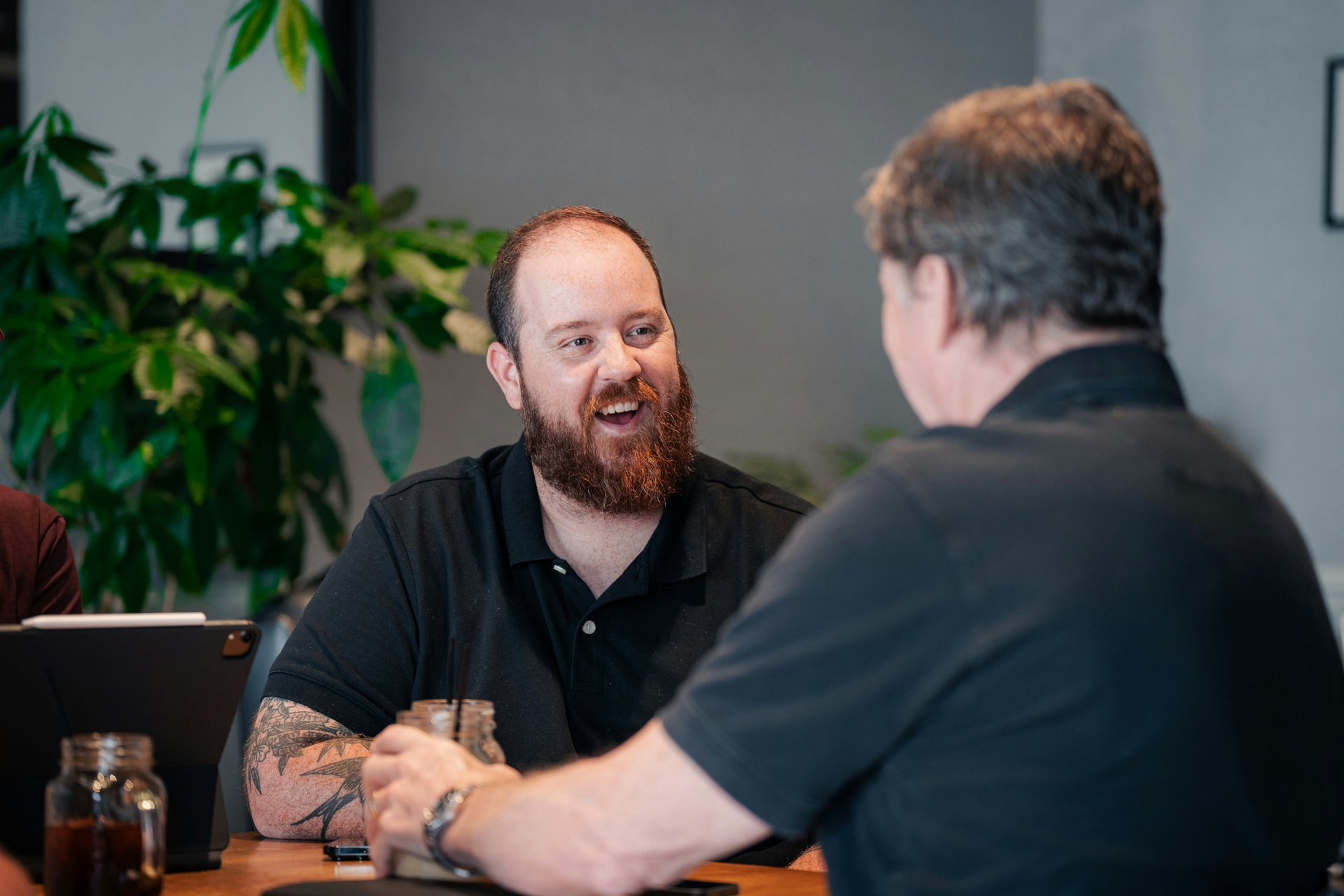
Why Choose Ararat Wellness for Psychosocial Support
Choosing Ararat Wellness means working with a team that respects your goals and your pace. We are a registered NDIS provider in regional Victoria with a recovery-oriented practice that keeps you in control of the support you receive.
Why participants and support coordinators choose us:
• Person-first, recovery-oriented psychosocial support
• Qualified, experienced practitioners across regional Victoria
• Practical help to understand and use your NDIS plan
• Support to build daily living and social skills
• Connection to community activities and local services
• A warm, respectful and confidential space
• Flexible delivery face-to-face and via telehealth Australia-wide.
Reach out today to talk about how psychosocial support can work for you.
Psychosocial Disability NDIS FAQs
What is psychosocial disability?
Psychosocial disability describes the everyday challenges that can come from a mental health condition. The condition itself is not the disability. The disability is the way it affects how you manage daily tasks, relationships, work and community life. The impact can change over time, as many mental health conditions are episodic. Support focuses on building skills and confidence so you can take part in the life you choose.
Does the NDIS cover mental health support?
Yes. The NDIS can fund support for psychosocial disability NDIS participants when a mental health condition is likely to be lifelong and substantially affects daily life. A diagnosis alone does not decide access. What matters is how the condition affects your ability to manage everyday activities. NDIS supports are usually non-clinical and work alongside your clinical care, such as your GP or psychologist.
What psychosocial disability services are available?
Funded supports can help you build daily living skills, take part in your community and develop social connections. Services may include help with routines, budgeting and personal care, support to join groups and activities, and recovery coaching to set and reach goals. At Ararat Wellness, we shape each support around your NDIS plan and your recovery goals across regional Victoria.
How is behaviour support funded through the NDIS?
The NDIS can fund behaviour support as part of a participant’s plan. A practitioner completes an assessment, then develops a positive behaviour support plan focused on understanding triggers and building helpful strategies. This support sits within your funded supports and aims to improve quality of life. Our team can explain how behaviour support fits alongside your other psychosocial disability supports.
Who can access psychosocial disability NDIS support in Victoria?
You may be able to access support if a mental health condition is likely to be permanent and substantially affects your daily life. The NDIS looks at the functional impact, not just the diagnosis. If you are unsure whether you qualify, our team can help you understand the access process and gather the right information. We support people across Ararat, Ballarat, Stawell and Horsham.
What does recovery-oriented support mean?
Recovery-oriented support keeps you in control of your journey. You set the goals that matter to you. Our role is to support your skills, confidence and independence over time. Recovery is personal and looks different for everyone. We listen first, then build practical support around your daily life. We stay steady through the ups and downs, because recovery is rarely a straight line.
Still have a question in mind?
Call Us 0493 819 355We Can Help You
Got a question? A doubt?
Our team is here to answer all your questions about your options.
Reach out and let's start a conversation.
Or Give us a Call 0493 819 355